

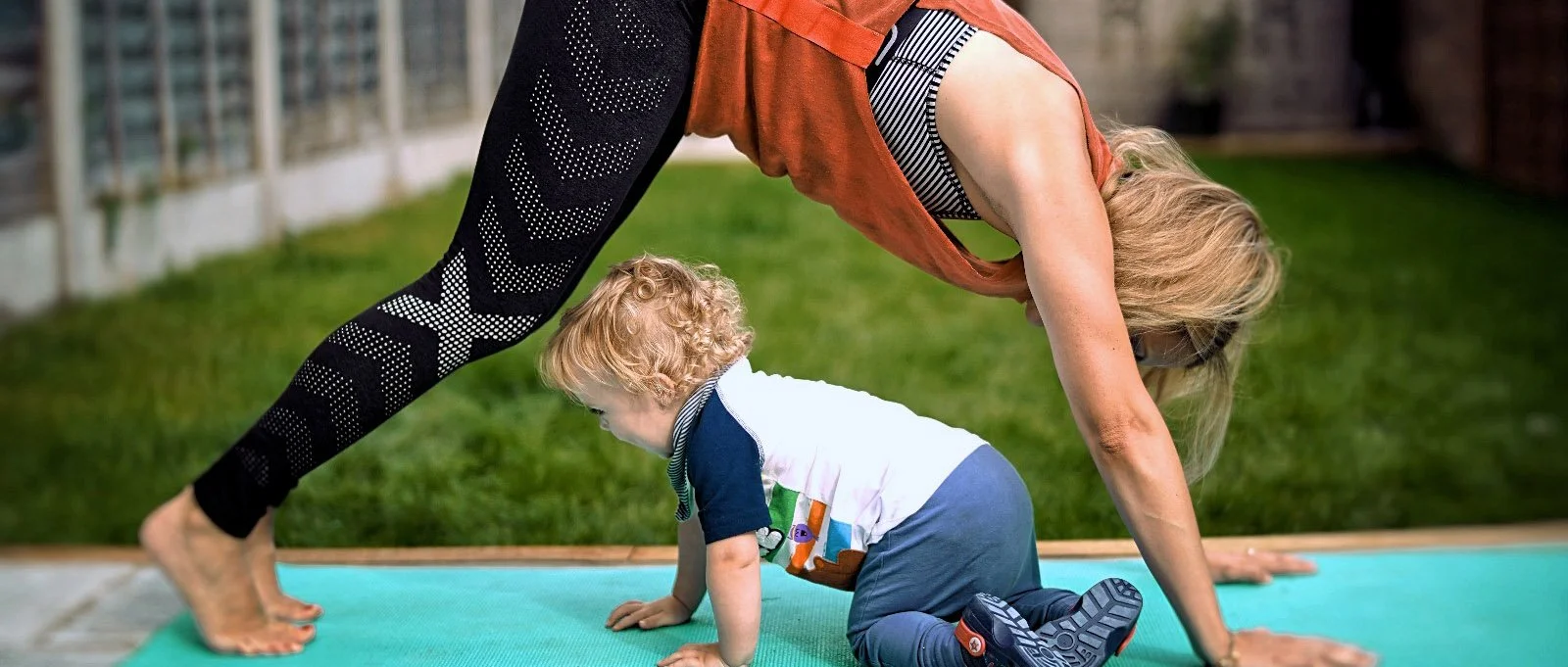
What Does a Postnatal Personal Trainer Actually Do? (And Why It's Very Different to Regular PT)
A postnatal personal trainer does far more than count reps. Find out what specialist postpartum fitness really looks like, and why it matters for your recovery.
You've had your baby. Maybe you've had your six-week check. You've been told you're "fine to exercise" and now you're standing in a gym wondering what on earth you're supposed to do next.
If that sounds familiar, you're not alone. And honestly? That six-week sign-off is one of the most misleading things in postnatal health. A doctor checking your stitches have healed is not the same as someone assessing whether your body is ready to deadlift, run, or do a HIIT class. Not even close.
This is exactly where a postnatal personal trainer comes in, and why their role looks very different to anything you'll find at a standard gym.
The Six-Week Check Doesn't Tell You What You Think It Does
Let's start here, because it's the piece of information that changes everything.
That six-week appointment is a general health check. It's not a functional assessment of your pelvic floor, your abdominal wall, your posture, or how your body is managing load and pressure after pregnancy and birth. For most women, it lasts about ten minutes and involves no physical testing of the muscles that actually need to recover.
A postnatal personal trainer understands this. They know that your body spent nine months adapting (your pelvis shifted, your abdominals stretched, your centre of gravity changed, your hormones surged and then dropped) and that undoing that takes more than six weeks and a nod from a GP.
The question a good postnatal PT asks isn't "has your body healed?" It's "how is your body functioning right now, and what does it need next?"
What a Postnatal Personal Trainer Actually Knows (That a Regular PT Doesn't)
A standard personal training qualification teaches you how to programme exercise for a healthy adult. It covers anatomy, progressive overload, goal-setting. It's a solid foundation. But it doesn't teach you what happens to the pelvic floor during pregnancy and birth. It doesn't cover diastasis recti, or how to assess abdominal separation and modify exercises accordingly. It doesn't address how intra-abdominal pressure works, or why certain movements that are completely fine for one person can cause real harm for a woman in the early postnatal period.
A certified postnatal exercise specialist has trained specifically in all of this. They understand:
How different types of birth (vaginal, assisted, caesarean) affect recovery timelines and what that means for exercise programming
How to assess and work with diastasis recti, the abdominal separation that affects around two thirds of women postnatally and often goes undiagnosed
How the pelvic floor functions under load, and what signs suggest it needs more support before progressing
How postnatal hormones (particularly relaxin, which remains elevated while breastfeeding) affect joint stability and injury risk
How sleep deprivation, stress and mental load affect a woman's nervous system and how that should shape the intensity and type of training she does
None of this is in a Level 3 PT qualification. Which is why it genuinely matters who you work with.
What Could Go Wrong With Generic Postpartum Exercise?
This isn't about scaring you off exercise, quite the opposite. Moving your body in the right way postnatally is one of the most powerful things you can do for both your physical and mental health. The research backs this up strongly: returning to moderate activity in the first 12 weeks after birth reduces the odds of postnatal depression by 45%.
But generic, high-intensity exercise too soon, or the wrong type of exercise for where your body actually is, can make things worse rather than better.
Jumping into HIIT, heavy lifting or running before your pelvic floor and core have been properly rehabilitated can contribute to or worsen pelvic organ prolapse, urinary incontinence, and diastasis recti. These are conditions that affect a huge number of new mothers, and they're also conditions that, with the right approach, are very possible to heal or significantly improve.
The goal of a postnatal PT is not to slow you down. It's to make sure you're building on solid foundations so that in six months, a year, five years' time, your body is working brilliantly rather than struggling with symptoms that were never properly addressed.
So What Do Sessions with a Postnatal Personal Trainer Actually Look Like?
Every good postnatal trainer will work differently, but here's what you can expect from a properly specialist approach.
A proper initial assessment. Before a single squat happens, a good postnatal PT will want to understand your birth experience, your current symptoms, how you're feeling in your body, and what your goals are. Not just aesthetic goals. Functional goals. Do you want to get back to running? Pick up your toddler without your back complaining? Feel strong again? That context shapes everything.
Breathing and core reconnection first. This sounds far less exciting than it is. Connection breathing (learning to coordinate your breath, your deep core, and your pelvic floor) is the foundation that everything else is built on. It's not just for people with symptoms. It's how you teach your body to manage pressure correctly before you add load. Done well, it changes how every exercise feels and functions.
Progressive, adapted strength work. Postnatal exercise should be progressive, meaning it builds gradually and responds to how you're doing week by week. It should also be adapted to your body at each stage. An eight-week postpartum programme looks very different to a twelve-month programme, not just in intensity but in the type of movements involved.
Listening to your body, properly. Postnatal training isn't just physical. Your energy levels, your sleep, your stress: all of it has to be part of the picture. A specialist PT will help you tune into what your body actually needs on a given day, rather than pushing through with a one-size-fits-all plan that doesn't account for the very real demands of new motherhood.
Space for the rest of it. Becoming a mother changes your identity, your relationships, your sense of self. A good postnatal trainer holds space for that too. Not just sets and reps, but how you're actually doing.
What About Pelvic Floor Problems or Diastasis Recti?
If you've been told you have pelvic organ prolapse, you're experiencing leaking, or you've noticed a ridge or bulge down the centre of your abdomen, a postnatal personal trainer can work alongside a pelvic health physiotherapist to support your recovery.
It's worth saying clearly: these conditions are common, they are not permanent, and they are not something you simply have to live with. But they do require an approach that understands what's going on in your body and adjusts accordingly. The last thing you need in that situation is a programme that makes those symptoms worse.
Why Location Matters More Than You Might Think
One of the things that makes postnatal fitness different to other kinds of exercise is how much better it works when you're not doing it alone. Research has shown that group activities and community are particularly beneficial for new mothers. The social connection is part of the medicine.
Finding a postnatal personal trainer local to you, in Berkhamsted, Tring, or the surrounding area in Hertfordshire, means you can build something consistent and connected, not just squeeze sessions around nap times with someone you've never met on a screen.
The Difference Between Feeling Better and Actually Recovering
Here's the thing about postnatal fitness that doesn't get said enough: feeling better and having fully recovered are not the same thing. Most women feel remarkably capable of going hard in the gym long before their body has actually repaired the deep structural changes that pregnancy and birth cause. That gap (between feeling ready and being ready) is exactly where a specialist postnatal personal trainer earns their place.
If you're in the Berkhamsted or Hertfordshire area and ready to start moving in a way that's actually right for your body, book a free consultation and let's talk about where you are and what you need. No pressure, no judgement, just a proper conversation about you.

The 6-Week Check Doesn't Clear You for Exercise. Here's What Actually Does
The 6-week check is not a green light for exercise. Here's what a proper postnatal return to fitness actually looks like, and what your body really needs first.
You go to your six-week appointment. The GP checks your blood pressure, asks how you're feeling, maybe has a brief look at any stitches or scarring. Ten minutes later you're back in the waiting room with a "all looks fine" ringing in your ears and no idea what that actually means for getting back to exercise.
For most women, it gets interpreted as permission. You're cleared. Off you go.
Here's the problem: that appointment was never designed to assess whether your body is ready to exercise. And for a lot of women, acting on it as though it was leads to setbacks, symptoms, and a much longer road back than necessary.
This isn't about scaring you. It's about giving you the information that appointment probably didn't.
What the Six-Week Check Actually Is (and Isn't)
The six-week postnatal check exists to screen for general health concerns in the mother and baby. It covers things like wound healing, blood pressure, mood, and infant feeding. It is a public health tool, not a functional fitness assessment.
No part of the standard six-week check evaluates your pelvic floor strength or coordination. It doesn't assess whether your abdominal muscles have regained their ability to manage load and pressure. It doesn't look at your posture, your joint stability, your breathing mechanics, or how your body is handling the physical demands of carrying, feeding, and moving with a newborn.
These are the things that actually tell you whether your body is ready to start exercising again. And none of them are on the checklist.
The Royal College of Obstetricians and Gynaecologists has acknowledged that the current six-week check is inconsistent and often inadequate, particularly for identifying postnatal pelvic floor dysfunction. The guidance exists. It just rarely makes it into that ten-minute appointment.
What Your Body Has Actually Been Through
To understand why returning to exercise needs more thought than a brief GP appointment can give it, it helps to understand what pregnancy and birth actually do to the body. Not in a frightening way. In a "this is genuinely impressive and deserves some respect" way.
During pregnancy your abdominal muscles stretch and separate to accommodate your growing baby. Your pelvic floor, which supports the weight of your uterus, bladder, and bowel, spends months under sustained load and then, in a vaginal birth, undergoes significant strain and in many cases trauma. Your joints loosen due to the hormone relaxin, which remains elevated while you're breastfeeding. Your posture shifts forward to compensate for your changing centre of gravity, altering how your spine and hips function.
A caesarean section involves cutting through seven layers of tissue including your abdominal muscles, and is major abdominal surgery with a recovery period that is frequently underestimated and under-supported.
By six weeks, some of this has begun to heal. Some of it hasn't. And none of it has been tested under load, which is what exercise places on the body.
The Signs Your Body Is Actually Ready
So if the six-week check isn't the benchmark, what is? There are some clear functional markers that give a much more honest picture of readiness.
Your pelvic floor is functioning well. This means you can contract and fully relax the muscles. It means you're not experiencing leaking when you cough, sneeze, run or jump. It means you don't have a sense of heaviness or pressure in your pelvis, which can be a sign of prolapse. Leaking and heaviness are common, but common does not mean normal, and they're important signals that your pelvic floor needs rehabilitation before you add impact or load.
Your abdominal wall is managing pressure correctly. If you have diastasis recti (abdominal separation, which affects around two thirds of women postnatally), the question isn't just whether the gap has closed. It's whether the connective tissue has enough tension and control to manage intra-abdominal pressure during movement. You might have a gap and function brilliantly. You might have a smaller gap and struggle with load management. The gap alone tells you very little.
You can breathe well during movement. This sounds basic, but proper coordination between your breath, your deep core, and your pelvic floor is the foundation for everything else. If you're holding your breath to complete an exercise, bracing hard through your abdomen, or bearing down rather than lifting through your pelvic floor during effort, that's a sign the foundations need more work before progressing.
You're sleeping (even in fragments) and your energy is not completely depleted. Exercise is a physical stress on the body. If your nervous system is already running on empty from sleep deprivation and the mental load of new motherhood, adding intense physical stress on top is likely to work against your recovery rather than support it. This isn't an excuse not to move. It's a reason to be thoughtful about what kind of movement serves you right now.
What a Proper Postnatal Return to Exercise Actually Looks Like
The good news is that moving your body in the right way is one of the most supportive things you can do postnatally, both physically and mentally. Research published in the British Journal of Sports Medicine found that returning to moderate physical activity in the first 12 weeks after birth reduces the odds of developing postnatal depression by 45%. Exercise is not something to put off indefinitely. It's something to approach properly.
Here's what that looks like in practice.
Start with breathing and connection, not intensity. Connection breathing, which means learning to coordinate your inhale and exhale with your deep core and pelvic floor, is where a properly structured postnatal programme begins. It's not exciting on paper. In practice, it's the difference between building on solid foundations and papering over cracks that will show up later.
Walking is underrated and genuinely effective. Getting outside for a walk, even a short one, activates your glutes and legs, supports your cardiovascular system, improves your mood, and gets you into daylight and fresh air. For many women in the early weeks, this is the most appropriate and most beneficial form of exercise available. It counts.
Low-load strength work before high-impact anything. The current guidance from physiotherapy bodies including the POGP (Pelvic, Obstetric and Gynaecological Physiotherapy) recommends waiting until at least 12 weeks postpartum before introducing running, and only doing so after a structured return-to-running programme that includes pelvic floor assessment. High-impact exercise too soon is one of the most common causes of worsening pelvic floor symptoms in new mothers.
Progress should be gradual and responsive. A good postnatal fitness programme doesn't just build in intensity week by week regardless of how you're doing. It responds to your symptoms, your energy, and where you actually are, not where a generic programme assumes you should be.
Why Working with a Specialist Makes Such a Difference
A standard personal trainer is not trained in any of this. Their qualification covers how to programme exercise for a healthy adult body. It doesn't cover pelvic floor function, diastasis recti assessment, postnatal hormones, or how birth affects the body's ability to manage load. This isn't a criticism. It's just a scope of practice issue, and it matters enormously at this particular stage of your life.
A certified postnatal personal trainer or postnatal fitness specialist understands the physiology behind what your body has been through. They can assess how you're functioning, adapt your programme to where you actually are, and spot signs that something needs more attention before you progress. They also know when to refer you to a pelvic health physiotherapist if your symptoms need hands-on support.
That combination of knowledge and adaptability is what makes postnatal fitness so different to any other kind of training. And it's why the "just get back to the gym" approach that often follows the six-week check leaves so many women worse off rather than better.
The Six-Week Check Has Its Place
None of this is an argument against the six-week check. It serves an important function and for many women it's the first proper conversation they've had with a healthcare professional since birth. But it was never designed to assess exercise readiness, and treating it as though it does sets women up for a return to exercise that doesn't account for what their bodies have actually been through.
You deserve better information than "you're fine." You deserve a return to movement that's built around where your body actually is right now, that takes your symptoms seriously, and that gets you back to doing everything you want to do in a way that lasts.
If you're in the Berkhamsted or Hertfordshire area and want to start that process properly, book a free consultation and let's build something that actually works for your body, not against it.
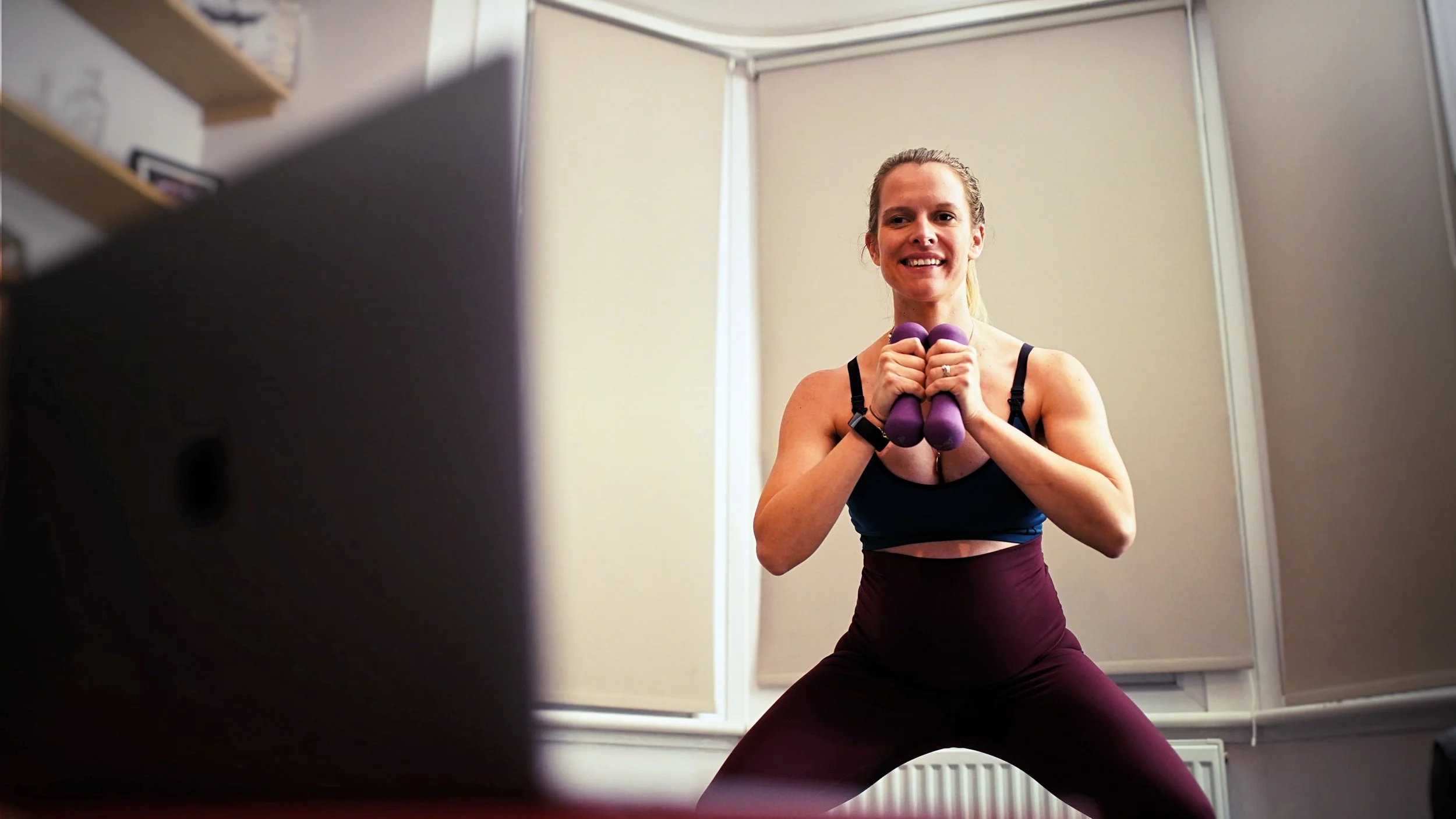
The Best Ways to Stay Active After Having a Baby in Berkhamsted and the Surrounding Area
From canal towpath walks to specialist postnatal fitness, here's how new mums in Berkhamsted and Hertfordshire can stay active, feel good and find their people.
There is something particularly good about living in this part of Hertfordshire when you've just had a baby. The countryside starts practically at your doorstep. The canal runs right through the middle of town. Within fifteen minutes you can be in the Ashridge Estate woodland with a pram and a coffee from the visitor centre cafe, and nobody asking anything of you except to keep walking.
Movement after having a baby doesn't have to mean a gym. For most women in the early weeks and months, it absolutely shouldn't. Getting outside, moving your body gently, and finding other new mums to do it with is genuinely one of the best things you can do for both your physical recovery and your mental health. Research published in the British Journal of Sports Medicine found that 80 minutes of moderate exercise a week, something like a brisk walk, can significantly reduce the severity of postnatal anxiety and depression symptoms.
So whether you're eight weeks postpartum or eight months in and finally ready to add something more structured, here's a guide to the best ways to get moving in and around Berkhamsted.
Walking: The Most Underrated Postnatal Exercise
Walking is not a consolation prize for not being able to do "proper" exercise yet. For the early postnatal period it is genuinely one of the best things you can do. It activates your glutes and legs without placing high load on your pelvic floor, it gets you into daylight and fresh air, and it does real things for your mood. Start with short, flat routes and build gradually as your energy and recovery allow.
The good news is that Berkhamsted is an exceptional place to walk with a pram.
The Grand Union Canal Towpath
This is the one most new mums in the area will know, and for good reason. The towpath from Berkhamsted town centre is flat, wide, and genuinely lovely. The Canal and River Trust has resurfaced a section of the path to make it pushchair and wheelchair friendly, running from Castle Street to the Waitrose footbridge, so you have a smooth, easy stretch right from the centre of town.
From there you can keep going in either direction. Head towards Tring and you get a quiet, meandering route through open countryside with canal boats, locks, ducks, and enough to look at to make an hour feel effortless. It's also easy to turn around whenever you need to, which matters a lot when you're gauging your energy levels in those early weeks.
Ashridge Estate
About ten to fifteen minutes from Berkhamsted town centre, the Ashridge Estate is 5,000 acres of National Trust woodland, chalk downland and open common. It is, genuinely, one of the best places in Hertfordshire to exist when you're sleep-deprived and need nature to sort your head out.
The estate has miles of wide, well-maintained paths through the woodland that are manageable with a pram if you stick to the main routes from the visitor centre. The Duncombe Terrace walk is the most accessible, a gentle, fairly flat route through the beech woods with the Bridgewater Monument as your landmark. The visitor centre also has an outdoor cafe serving hot food and cake, which is all the motivation many of us need.
One thing to know: some of the longer boundary trails involve steep climbs, steps and uneven ground that won't work with a pram, so it's worth checking the estate map before you head out. For the early postpartum period, stick to the flatter routes from the monument car park and you'll be absolutely fine.
Berkhamsted Common and Northchurch Common
Less structured than Ashridge but equally lovely, the common land to the north of Berkhamsted has waymarked trails through silver birch woodland and open heath. The circular trail from the New Road car park is a manageable route that takes in Coldharbour Farm and Frithsden Beeches and is doable with a pram on dry days. In wet weather the ground can get muddy, so a decent all-terrain pram makes a real difference here.
Canal Fields and Butts Meadow
If you want somewhere flatter, central and entirely pram-friendly for a shorter walk with a young baby, Canal Fields and Butts Meadow are both close to the town centre and easy to navigate. Canal Fields sits right next to the canal and has open green space, a playground for when your little one gets older, and easy access to the towpath. Sometimes all you need is a short loop in fresh air without the logistics of packing the car, and these spots deliver that.
Finding Your People: Community and Social Exercise
Here's something the research is increasingly clear on: for new mothers, the social aspect of exercise matters as much as the physical. A study cited in The Guardian found that group activities produced the biggest improvements in mood and mental health for new mothers specifically, because of the connection that comes with moving alongside other people going through the same thing.
Berkhamsted and the surrounding area has a decent community of new mums if you know where to look.
NCT groups in Hemel Hempstead and Berkhamsted run regular Bumps and Babies social groups where new parents can meet, walk together, and simply be around other adults who understand what the fourth trimester actually feels like. NCT's local branch covers the Berkhamsted and Hemel Hempstead area and is a good first port of call for finding social connection early on.
6WeekSocial runs postnatal courses specifically in Berkhamsted, offering six weekly sessions led by women's health specialists covering everything from pelvic health to sleep and emotional wellbeing. It's one of the better-regarded postnatal support programmes in the area and a good way to build a local network of mums at the same stage as you.
Small group personal training is something I offer specifically for new mums in the Berkhamstead area. Bring your babies, find a location that works for the group, and train together in a way that's actually designed for where your bodies are right now. Several of my current clients found me through their NCT groups and now train together regularly. The combination of proper, specialist-led exercise and the social element of doing it with other local mums makes it one of the most sustainable ways to stay consistent.
When You're Ready to Add More Structure
Walking and social movement are brilliant foundations. But at some point, most women want to feel genuinely strong again, not just functional. They want to rebuild the things pregnancy changed, manage symptoms if they have them, and feel like themselves in their bodies in a way that goes beyond a gentle stroll.
This is where working with a specialist postnatal personal trainer makes a significant difference to what's actually possible.
Generic exercise classes and standard gym programmes aren't designed for postpartum bodies. They don't account for pelvic floor function, diastasis recti, or the way postnatal hormones affect your joints and energy levels. A well-intentioned but poorly designed programme at this stage can set your recovery back rather than move it forward.
What a properly structured postnatal fitness programme looks like in practice: it starts with understanding where your body actually is, not where a generic programme assumes you should be. It builds from breathing and core reconnection through progressive strength work, always adapting to your symptoms and energy rather than pushing through regardless. And crucially, it understands the signs that something needs more support before you progress.
I offer both one-to-one personal training and small group sessions for pre and postnatal women in the Berkhamsted, Tring and surrounding Hertfordshire area, with babies and young children always welcome. Sessions can be done at home, outdoors, or at a gym depending on what works for you.
A Note on Timing
There is no single right answer to when to start exercising after having a baby, and the six-week check is not the green light it's often treated as. What matters is how your body is actually functioning, not how many weeks have passed. If you're experiencing any leaking, pelvic heaviness or discomfort, or you're not sure where to start, the best first step is a conversation with a postnatal specialist who can assess where you are and build from there.
If you're in Berkhamsted or the surrounding Hertfordshire area and want to start that conversation, book a free consultation and we'll work out what makes sense for you, your body, and your life right now. No pressure, no judgement, just a proper chat.
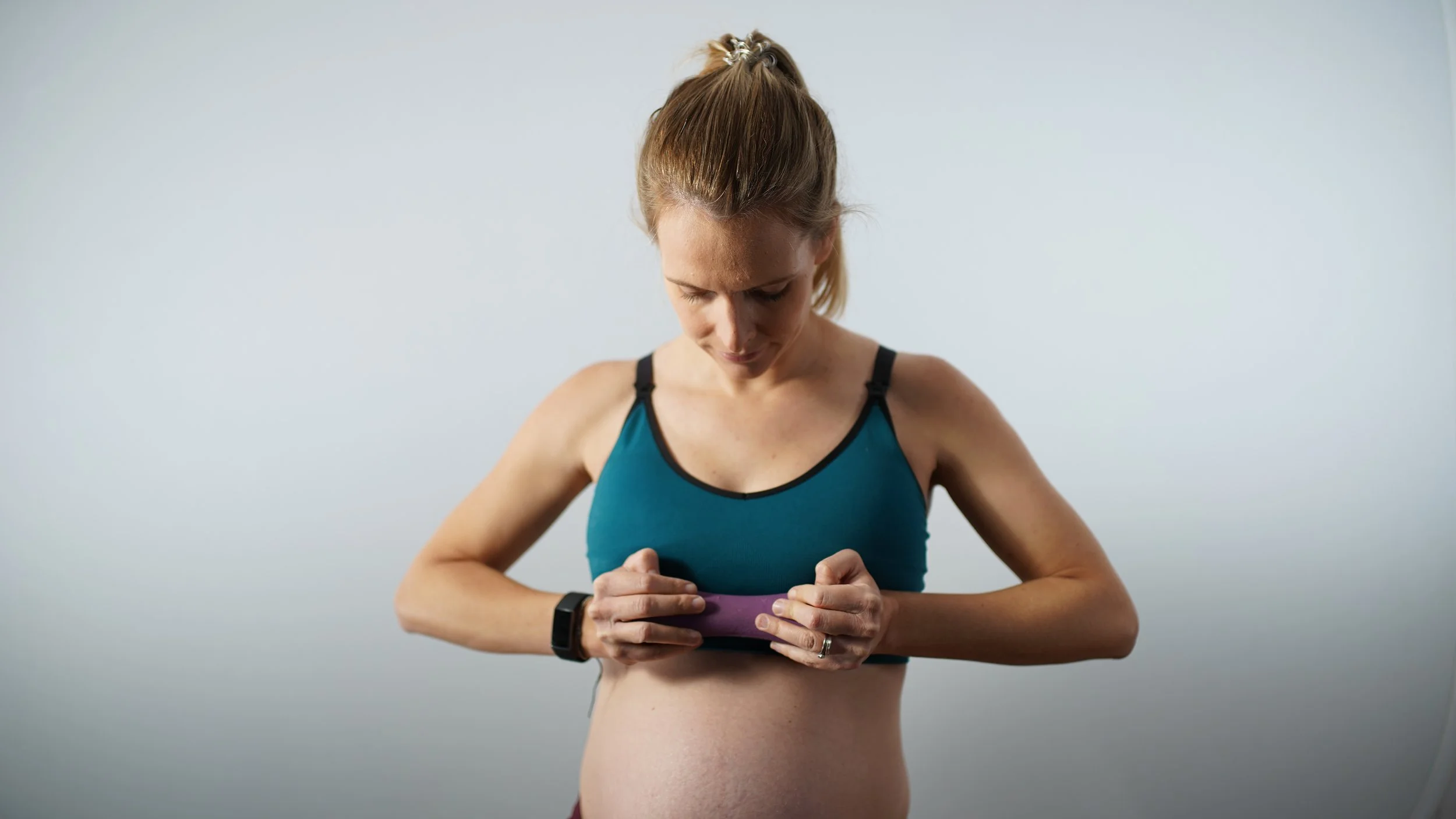
Finding a Postnatal Personal Trainer in Berkhamsted: What to Look For
Looking for a postnatal personal trainer in Berkhamsted or nearby? Here's what qualifications actually matter, what red flags to avoid, and why specialist matters.
At some point after having a baby, most women reach the same moment. You know you want to start exercising again. You know you probably need some guidance. You type something into Google, scroll through a few options, and then feel completely overwhelmed trying to work out who actually knows what they're doing and who just has a good Instagram.
If you're in Berkhamsted, Tring, Hemel Hempstead, Boxmoor or anywhere in the surrounding area of Hertfordshire, this is for you. Because finding the right postnatal personal trainer isn't just about finding someone local. It's about finding someone who has the specific knowledge your body actually needs at this stage of your life, and that's a narrower field than most people realise.
Here's what to look for, what to ask, and what should give you pause.
Why "Personal Trainer" Isn't Enough
A standard Level 3 personal training qualification is a solid foundation for working with healthy adults. It covers anatomy, exercise programming, goal setting, and general fitness principles. What it doesn't cover is what happens to a woman's body during pregnancy and birth, how the pelvic floor functions under load, what diastasis recti is and how to programme around it, how postnatal hormones affect joint stability and injury risk, or how to read the signs that something needs more support before progressing.
This isn't a criticism of general personal trainers. It's a scope of practice issue. And for a postnatal woman, that gap in knowledge matters enormously. A well-intentioned trainer who pushes you into high-impact exercise or heavy lifting before your body is ready can worsen pelvic floor symptoms, contribute to or aggravate abdominal separation, and set your recovery back in ways that take months to undo.
The postnatal period is one of the most significant physical transitions a woman's body goes through. It deserves specialist knowledge, not just general fitness enthusiasm.
The Qualifications That Actually Matter
When you're looking for a postnatal personal trainer in Berkhamsted or the surrounding area, here are the credentials worth asking about.
A recognised pre and postnatal exercise qualification. This is the non-negotiable. Look for a certified pre and postnatal exercise specialist qualification from a reputable body. This should be in addition to their base Level 3 PT qualification, not instead of it. In the UK, providers like GGS (Girls Gone Strong), the Active IQ, and similar accredited bodies offer specialist certifications that go deep into female physiology, pelvic health, and safe postnatal exercise programming.
Continuing professional development in women's health. The field of women's health and postnatal fitness is evolving quickly. A trainer who is actively studying, attending CPD courses, and staying current with the latest research in pelvic floor function and postnatal recovery is going to serve you far better than someone who completed a qualification three years ago and hasn't updated their knowledge since. It's a reasonable question to ask directly: what have you studied recently?
Trauma-informed practice. Becoming a mother is not just a physical experience. Birth can be traumatic. The fourth trimester involves identity shifts, relationship changes, sleep deprivation, anxiety, and grief that many women don't feel they have permission to name. A trainer who understands this and creates a genuinely safe, shame-free environment is worth their weight in gold. Trauma-informed training isn't a niche specialism. At this stage of a woman's life, it should be standard.
Knowledge of pelvic floor dysfunction and diastasis recti. Ask directly whether they can assess for diastasis recti and how they modify programming for women who have it. Ask how they approach pelvic floor symptoms like leaking or prolapse. A specialist should be able to answer these questions fluently and should also know when to refer you to a pelvic health physiotherapist rather than try to manage everything themselves.
Questions Worth Asking Before You Book
A good postnatal personal trainer will welcome these questions. Someone who becomes vague or defensive is telling you something important.
What does your initial assessment involve? Before any exercise begins, there should be a proper conversation about your birth experience, your current symptoms, your energy levels, and your goals. Not just "what do you want to achieve aesthetically" but a genuine functional assessment of where you are right now.
How do you adapt sessions for women with pelvic floor symptoms? If the answer is "we just take it easy" or they look uncertain, that's a red flag. A specialist should understand the relationship between intra-abdominal pressure, breathing mechanics, and pelvic floor load, and be able to explain specifically how they modify exercise accordingly.
Do you work with pelvic health physiotherapists? The best postnatal trainers work as part of a wider network of women's health professionals. They know their scope and refer out when hands-on physio assessment is needed. If a trainer presents themselves as able to handle everything without ever mentioning collaboration with a physio, be cautious.
Can I bring my baby? This one matters practically as much as professionally. A trainer who works with postnatal women should expect babies in sessions. If this feels like an inconvenience to them, they probably don't work with new mums as often as they suggest.
Red Flags to Watch Out For
Not all of these are obvious, but they're worth knowing.
Pushing high-impact exercise too soon. Running, jumping, HIIT and heavy lifting all place significant load on the pelvic floor. The current physiotherapy guidance from the POGP recommends waiting until at least 12 weeks postpartum before returning to running, and only then following a structured return-to-running programme. Any trainer who has you doing burpees or box jumps in the early weeks, without any pelvic floor assessment or conversation about symptoms, doesn't have the knowledge they should.
Leading with aesthetics. A postnatal personal trainer worth working with will focus on how your body is functioning, how you're feeling, what symptoms you're managing, and how to build sustainable strength. The conversation about "getting your body back" or shifting weight quickly is not the right starting point for the postnatal period, and a specialist knows this. If the marketing is all about postpartum weight loss or bouncing back, look elsewhere.
No mention of pelvic health at all. Pelvic floor dysfunction affects a significant proportion of postnatal women. Leaking, prolapse, and diastasis recti are common and, with the right approach, very possible to improve. A postnatal trainer who never mentions any of this in their content, their initial consultation, or their programming hasn't engaged with what postnatal fitness actually involves.
Offering a generic programme. Postnatal exercise needs to be responsive. It should adapt based on your symptoms, your energy, your birth experience, and how your body is recovering week by week. A one-size-fits-all programme handed over on a PDF is not postnatal training. It's general fitness with a postnatal label on it.
Why Proximity Genuinely Matters
There's a practical argument for working with someone local in Berkhamsted, Tring or the surrounding area that goes beyond convenience.
Consistency is one of the hardest things to maintain as a new mother. When sessions are close to home, when your trainer understands the local landscape (can suggest a pram route, knows the area's mother and baby community, can adapt to the reality of your life rather than a theoretical one), and when you're not adding a forty-minute drive to an already logistically complex day, you're far more likely to actually keep showing up.
There's also the community aspect. Postnatal fitness works best when you're not doing it in isolation. The Berkhamsted and Hertfordshire area has a genuinely good network of new mums, from NCT groups covering Berkhamsted and Hemel Hempstead to local baby groups and community sessions. A local trainer is connected to that network in a way that a remote or distant option simply isn't.
What Good Postnatal Personal Training in Berkhamsted Actually Looks Like
To make this concrete: here's what working with a properly qualified postnatal personal trainer in this area should feel like.
Your first conversation is unhurried and genuinely curious about where you are, not where a programme assumes you should be. Sessions are built around your body right now, not the body you had before pregnancy. Babies are not just tolerated but genuinely welcomed. The language around your body is kind and functional, not aesthetic or comparative. Progress is measured in how you feel and what you can do, not in numbers on a scale.
You should feel safer, stronger and more connected to your body after a few weeks of working together, not exhausted, in pain, or like you've been pushed beyond what you were ready for.
If you're in Berkhamsted, Tring, Hemel Hempstead, Boxmoor or anywhere in the surrounding area and you're looking for a postnatal personal trainer who ticks all of these boxes, I'd love to have that first conversation with you. Book a free consultation and let's talk about where you are and what you need.